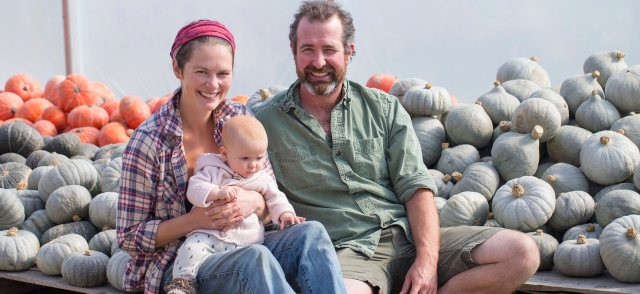
One of the best things about working alongside a sibling is that one can take off on vacation knowing things are covered at the farm. Rachel and her family stayed at the farm, harvesting and going to market, while I was able to get away for a couple of weeks.
This slideshow requires JavaScript.
Washington, Idaho, Montana, Alberta and back into BC made for a 3556 KM roadtrip. I travelled through the largest potato producing county in America, caught a glimpse from the highway of the large amounts of hay in storage that is grown all across the Columbia Basin, viewed the rolling ranchland turned into forest in Idaho,and saw the views of the Flathead Valley as prairie turns to mountains in Northwestern Montana (albeit from a chairlift with skis strapped to my feet). I travelled across the Hi-Line in Montana where energy development and ranching seems to coincide, passing through dusty farming towns on the way to the Alberta border.
Two stops on the trip were the most memeroable.
The first was at a friends ranch bordering the Sweet Grass Hills and the Milk River in Southern Alberta. Ranching is an extensive process, rather than the intensive way in which grow at our farm, the goal is to grow grass which in turn grows cows for market. The native prairie has never been broken with a plough and the wildlife, such as antelope, jack rabbits, grouse, white tailed deer, interact and work alongside ranchers. While checking cows across the range one can easily get lost in the vastness of the land. The harsh landscape and the economic realities of farming have taken their toll. Abandoned century old farmhouses, skeletal remains of a calf born in a cold snap, for sale signs along a gravel road, but ranchers, with their pioneering spirit, seem to keep on turning native grass into slim profit margins which is a way of life that I have the utmost respect for.
The second highlight was visiting friends in the Kootenays at their farm in Johnson’s Landing. Colleen and Patrick run Stellar Seeds, a small scaled organic seed company, as well as their farm Kootenay Joe Farm. From just four acres they grow food for their local community as well as seed for farmers such as myself. Johnson’s Landing is remote, an hours drive from Kaslo, much of it on a winding gravel road. Goats, chickens and ducks provide a great source of companionship and, of course, fertility for them. Their water comes from the creek up the mountain and wildlife is abound. Deer fences is the only way to secure any sort of harvest in these parts. Both, Colleen and Patrick, are passionate farmers, involved in seed security and sovereignty and local food. They partake in many ‘Seedy Saturdays’ across the province, a seed swapping event that allows farmers and gardeners to exchange their own local and diverse seed with one another. They live simply and honestly and it was a treat to be able to visit their farm. Stellar Seeds can be found at www.stellarseeds.com
After leaving the Kootenays, the trip took me to Kamloops, through the ginseng in Walhachin, the feedlots at Cache Creek, through the Duffy Lake road onto a quick jaunt into the Pemberton Meadows and then back to the coast. Pulling up to the farm, Rachel, with Addie on her back, had just finished harvesting for the morning. Things have been in good hands while I’ve been away. Now for the 46 emails that have escaped me in a fortnight…

hanksgiving weekend marks an important transition for us on at the farm. Balance is starting to take shape in many ways. There is as much daylight hours as there is darkness. The workload is lightening and in pleasurable ways in which we can stop to enjoy the warmth of the autumn sun on our backs or stop and ponder geese migration as they fly overhead on a damp coastal day. Now it is not as if we do not enjoy or make note of these little things in life in the summer months but much too often thoughts are focused on catching up on weeding, or getting those last cabbage transplants out or fixing whatever has broken down that week. Balance is a beautiful thing.


Through the wonders of the internet we discovered that Downy Mildew had hit, something that we had never seen before on any of our crops. After talking to other farms at the farmers markets this past weekend, we learned that it is a common problem this time of year as we have been receiving some heavy dews while having warm days which are perfect conditions for the mildew. After an anxious Friday it turns out the problem won’t be so bad and despite a yield losses we’ll be okay as the bulbs themselves will be perfectly fine only the foliage will die down. Thank goodness for having experienced farmers at the markets to turn to for advice.
This year we have had the pleasure of having bees on the farm. One of our returning CSA members has placed some hives on the farm and we’ve been following their progression this season. Much has been said in recent years about the decline of our native pollinators. Varroa mites, Colony Collapse Disease, pesticides and lack of available food sources have all had their impact. Bees, along with many other pollinating insect, are a vital part to our farm. While some crops do not need to be pollinated many others do need it for viable fruit to develop. Tomatoes, squash, melons, cucumbers are helped by insect pollination. At the farm we grow wild flowers especially for attracting these beneficial insects and, when we can, once we are done harvesting a crop we’ll leave it to flower unless we have to plant a new crop in that space right away, and of course our non-use of insecticides helps as well. We are so grateful to have these humble helpers on the farm.


Our mulch layer arrived in pieces, so with this rainy weather a day spent in the shop is welcomed while we piece it together. We have laid mulch by hand the last two years but it was much too time consuming so we have gone mechanical this season. Efficiency is important on any scale of agriculture and we’ve spent much of the winter months figuring out what we need to improve on and buying a mulch layer was one of the outcomes.